The Crossley Heath School
Ali’s Crossley Family Travel Scholarship Experience
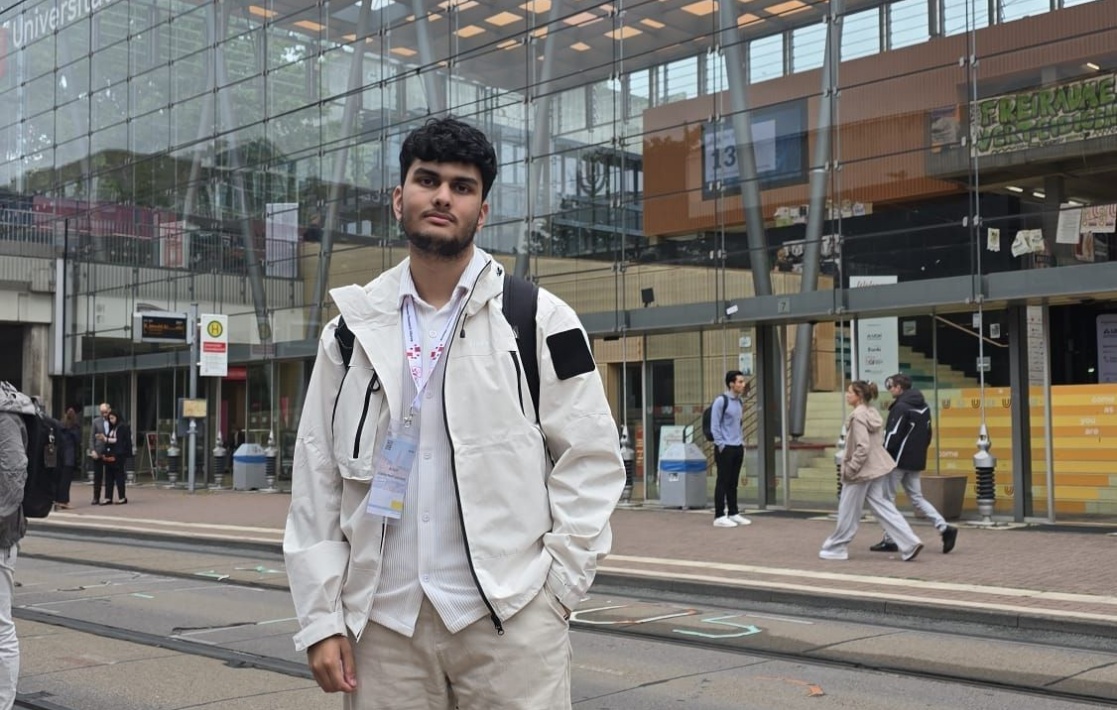
We are delighted to share the experience of Year 13 student Ali, who was last year’s recipient of the Crossley Family Travel Scholarship.
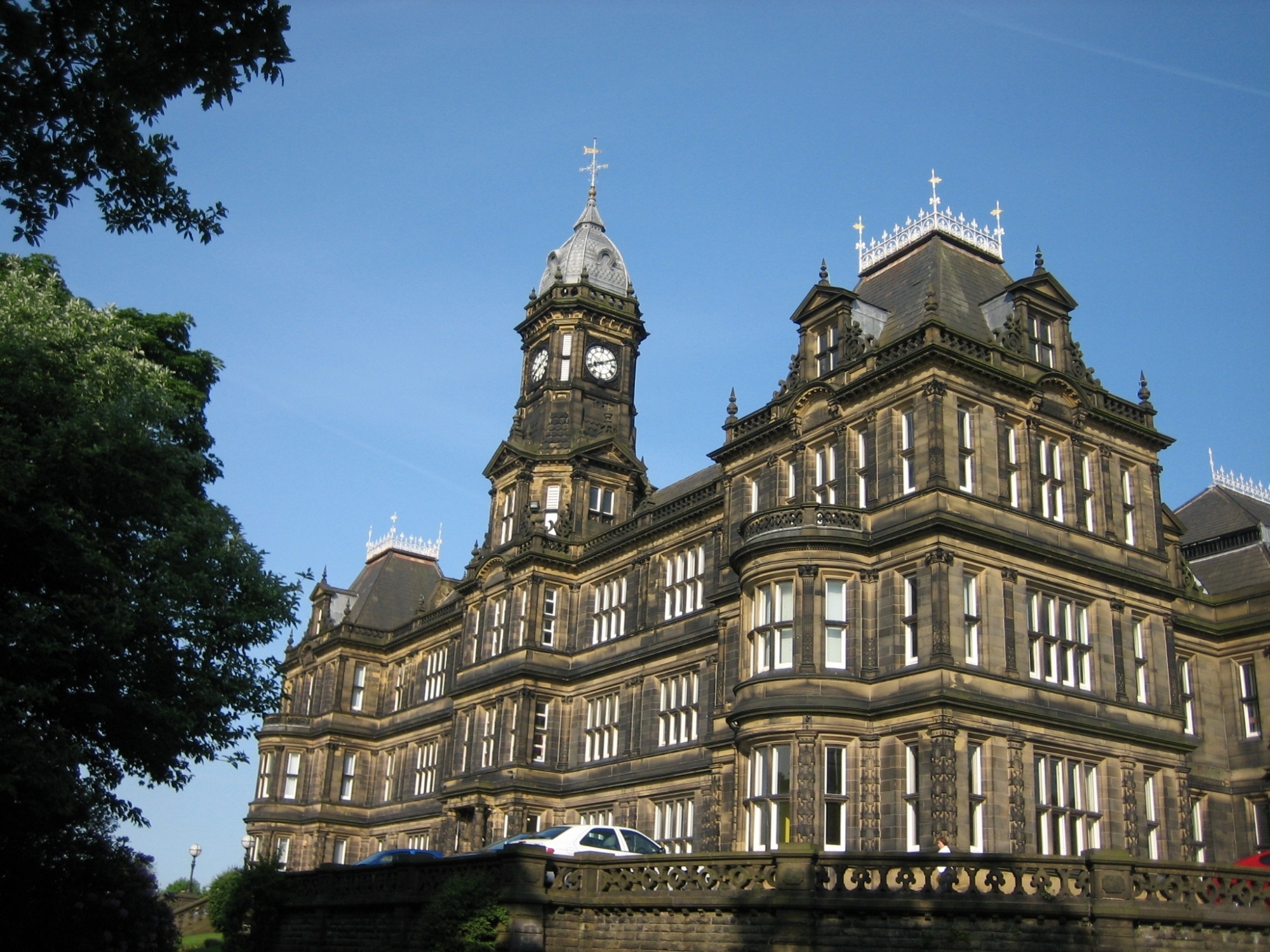
The descendants of the Crossley family, who founded our school, continue to support our students in many ways, including through scholarship programmes designed to help young people strengthen their learning and broaden their horizons.
The Crossley Family Travel Scholarship provides Sixth Form students with funding to undertake an independent educational trip during a school holiday, supporting opportunities that enhance their A Level studies while developing cultural capital and enriching their wider experience.
Ali was awarded this year’s scholarship to support a trip to Germany, where he combined exploring Berlin with an incredible opportunity to attend IJCAI-ECAI 2026, one of the world’s leading artificial intelligence conferences, in Bremen.
Below, Ali shares his experience of the trip, the fascinating developments in AI that he discovered, and how the opportunity has influenced his ambitions for the future.
From Halifax to the Future of AI: My Week at Europe’s Leading AI Conference
Thanks to the Crossley Family Travel Scholarship, I had the incredible opportunity to spend a week in Germany exploring the future of technology and attending IJCAI-ECAI 2026 in Bremen.
My trip began in Berlin, where I spent a couple of days exploring the city and visiting landmarks including the Brandenburg Gate, Berlin Cathedral and the Reichstag. I also visited Futurium, Berlin’s museum of people, nature and technology, which explores how we might live in the future, with a strong focus on sustainability, artificial intelligence and new technology. It was a great introduction to what was coming next.
From Berlin, I travelled by train to Bremen for IJCAI-ECAI 2026. IJCAI stands for the International Joint Conference on Artificial Intelligence and this year it was held alongside ECAI, the European Conference on Artificial Intelligence. Together, they brought leading AI researchers, academics, engineers, companies and policymakers from around the world into one place.
The scale of the conference was incredible. Thousands of people from more than 40 countries attended and major names in technology and research were represented, including Google, Huawei, Google DeepMind, DeepL, Sony and GPTZero, alongside leading universities, research centres and international organisations. Being able to attend a conference at that level and hear directly from people working at the forefront of AI was a huge opportunity.
I was able to attend tutorials, lectures and workshops, but most importantly I had the chance to speak to people working directly in AI and made a number of valuable contacts with researchers, professionals and others who share the same interest in the future of technology.
One of the areas I explored was how large language models can help solve complex real-world optimisation problems. Researchers are looking at how AI can understand a problem, identify its restrictions and turn it into a structured model that can be solved more effectively. I also attended sessions on Human-AI co-creativity, looking at how generative AI can support brainstorming, design and creative decision making. The discussions also covered important questions around originality, ownership and the risk of becoming too dependent on AI.
Another key topic was AI reasoning and how large language models can be made more reliable when dealing with difficult problems. It was fascinating to see how much research is now focused not just on making AI more powerful, but making it more accurate, trustworthy and useful in the real world.
The biggest thing I took away from the conference was that AI is moving far beyond chatbots. For the last few years, most people have experienced AI by typing something into a screen and receiving an answer, but the next stage is much bigger. AI is increasingly being combined with computer vision, robotics, sensors and advanced reasoning. Instead of simply processing text, future systems will be able to understand what is happening around them, interact with physical environments and respond to unpredictable real world situations.
What excited me most was that the future being discussed was not simply about replacing people with machines. It was about creating systems that can work alongside people and help solve problems that would otherwise be extremely difficult.
I went to Germany already fascinated by artificial intelligence, but I came back looking at the subject in a completely different way. Being able to hear from researchers at the forefront of AI, see the scale of international research taking place and make valuable contacts in the field has made me even more certain that this is an area I want to keep exploring.
I am incredibly grateful to the Crossley family for funding the experience and to everyone involved in the Crossley Family Travel Scholarship for making it possible. A huge thank you as well to Mr Jones and Ms Worthington for their support and for helping to make this opportunity happen.
It is an experience I will never forget.
The Crossley Heath School